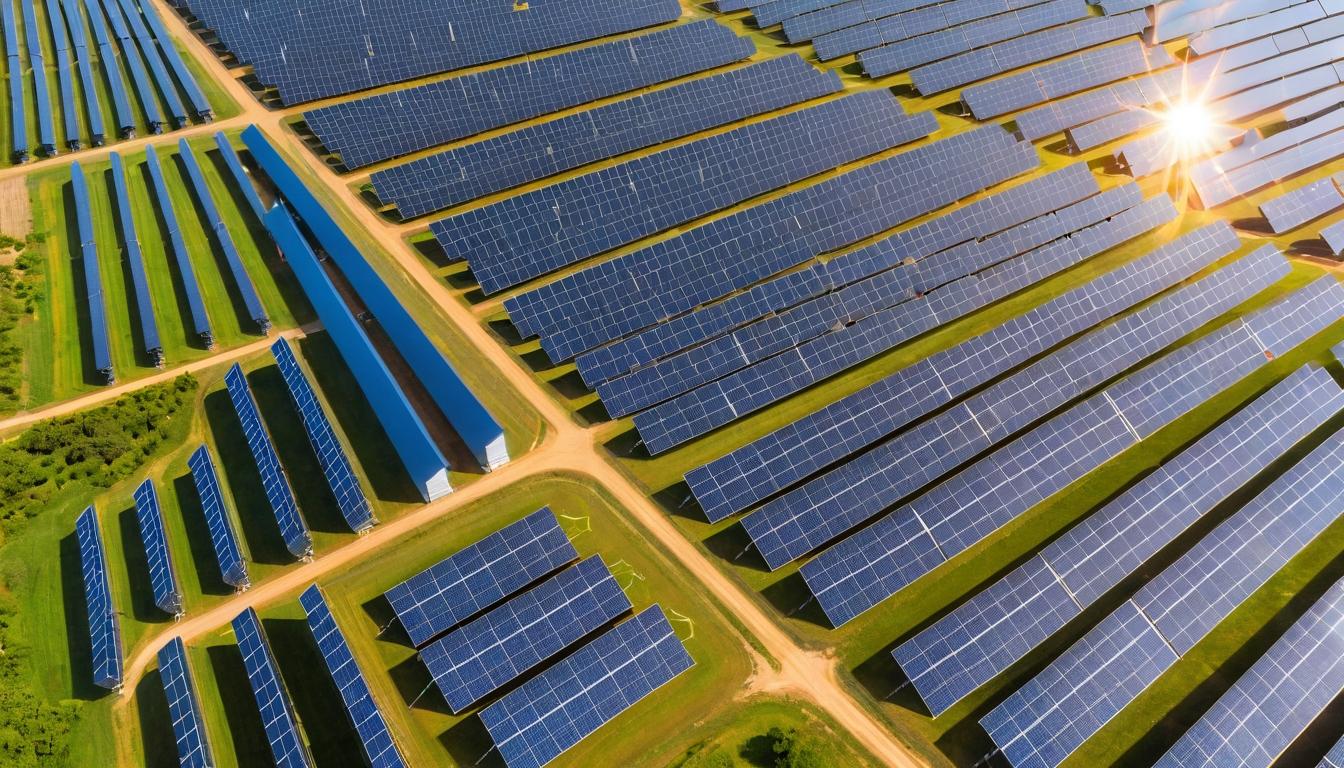
In the race toward a solar-powered future, the industry's glossy brochures and optimistic projections often obscure a tangled web of supply chain complexities. While residential rooftops gleam with panels and utility-scale projects dominate headlines, the journey from raw materials to finished installation reveals a story of geopolitical tensions, environmental trade-offs, and logistical nightmares that could determine whether solar energy truly becomes the backbone of our clean energy transition.
Dig beneath the surface of any solar panel, and you'll find a global supply chain stretching from quartz mines in Appalachia to polysilicon refineries in Xinjiang. China currently dominates every critical stage of production, controlling over 80% of polysilicon manufacturing and 95% of wafer production. This concentration creates vulnerabilities that ripple through the entire industry, from project delays to price volatility that undermines solar's celebrated cost competitiveness.
Environmental purists might be surprised to learn that solar manufacturing isn't entirely clean. The process of transforming raw quartz into high-purity polysilicon requires immense energy inputs, often from coal-fired power plants in manufacturing regions. Meanwhile, the industry grapples with its own waste problem—end-of-life panels containing lead, cadmium, and other toxic materials that could create disposal crises decades from now.
Logistical bottlenecks have become the industry's silent killer. Port congestion, container shortages, and shipping delays during the pandemic exposed how fragile the global solar supply chain truly is. A single stalled shipment can delay multi-million dollar projects by months, with ripple effects that undermine climate commitments and strain utility planning.
Emerging technologies promise to reshape this landscape. Thin-film solar using cadmium telluride or perovskite materials could reduce reliance on polysilicon and its associated supply chains. Meanwhile, recycling innovations are turning old panels into valuable feedstock for new ones, potentially creating circular economies that reduce mining demands and manufacturing emissions.
The human cost of solar's supply chain often goes unmentioned. From mining operations displacing communities to manufacturing facilities with questionable labor practices, the industry faces increasing scrutiny about whether its environmental benefits come at unacceptable social costs. Ethical sourcing initiatives and supply chain transparency are becoming competitive advantages as consumers and investors demand cleaner consciences alongside cleaner energy.
Policy interventions are creating new fault lines in the solar landscape. The U.S. Inflation Reduction Act's domestic content requirements aim to reshore manufacturing, while Europe's carbon border adjustments could penalize energy-intensive imports. These protectionist measures might strengthen regional supply chains but could also increase costs and slow deployment at precisely the moment acceleration is needed most.
Storage integration adds another layer of complexity. Solar's intermittent nature requires batteries for grid stability, creating parallel supply chains for lithium, cobalt, and nickel that face their own ethical and environmental challenges. The race to develop alternative chemistries using more abundant materials could determine whether storage becomes solar's enabling partner or its limiting constraint.
Looking forward, the industry stands at a crossroads. Will it double down on globalization's efficiencies despite geopolitical risks, or pivot toward regionalized production that prioritizes security over cost? The answer will determine whether solar can scale rapidly enough to meet climate targets while maintaining public trust and economic viability.
Ultimately, the solar revolution's success depends not just on technological breakthroughs or falling prices, but on building resilient, transparent, and ethical supply chains that can withstand the pressures of rapid scaling. The panels on our rooftops represent not just clean energy, but complex global relationships that need careful management as we transition toward a sustainable future.
The solar revolution's hidden costs: navigating the supply chain maze