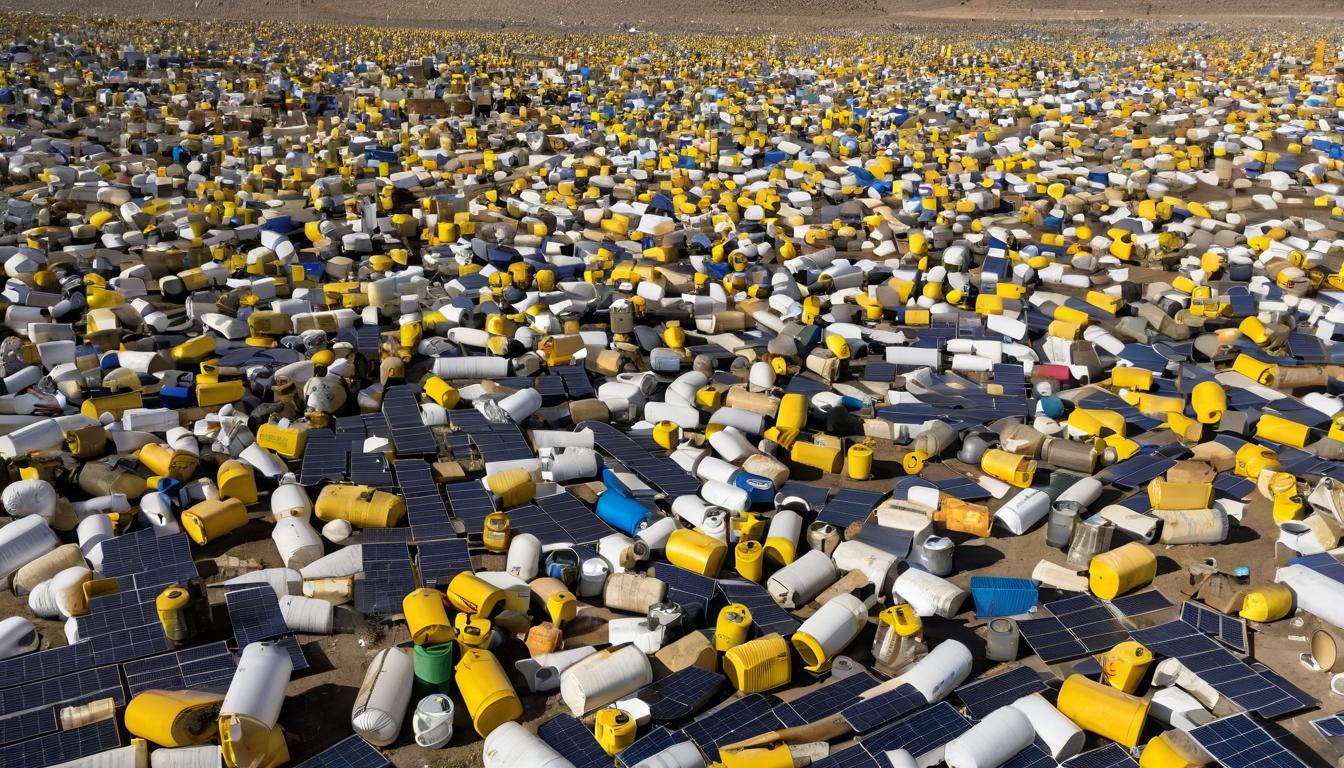
The solar industry's glossy brochures show pristine panels gleaming under blue skies, promising a clean energy future. But behind the polished marketing lies a gritty reality few want to discuss. As installations surge globally, we're facing a tsunami of retired panels with nowhere to go. Current recycling methods recover barely half the materials, leaving toxic components like lead and cadmium to potentially leach into landfills. The International Renewable Energy Agency predicts we'll have 78 million metric tons of solar panel waste by 2050—that's like burying 200 Empire State Buildings in electronic debris.
Meanwhile, the push for community solar projects has sparked unexpected conflicts in neighborhoods from Massachusetts to Minnesota. What sounds like a democratic energy solution—shared solar arrays serving multiple households—has become a battleground between utilities, developers, and residents. Utilities fight to protect their monopolies, developers chase lucrative incentives, and communities get caught in regulatory crossfire. The result? Projects that should take months drag on for years, leaving promised savings and cleaner power dangling just out of reach.
On the manufacturing front, China's dominance creates a precarious supply chain that could snap under geopolitical tension. While Western countries pour billions into domestic production incentives, China controls over 80% of every critical manufacturing stage from polysilicon to finished panels. This concentration creates vulnerability, as Europe discovered when energy prices spiked and panel costs followed. The recent U.S. tariffs on Southeast Asian imports reveal how quickly trade policy can disrupt the entire solar ecosystem.
Perhaps most troubling is the emerging evidence that solar farms might be altering local climates in unexpected ways. Large-scale arrays in desert regions appear to be creating 'heat islands' that could affect regional weather patterns. The dark panels absorb more heat than the reflective desert surfaces they replace, potentially warming surrounding areas by several degrees. While this effect is still being studied, it raises uncomfortable questions about whether we're solving one environmental problem while creating another.
Finally, the industry's labor practices deserve scrutiny. The rapid expansion has created a gold rush mentality, with some installers cutting corners on training and safety. Workers report pressure to complete installations faster than recommended, sometimes compromising electrical safety. Meanwhile, the promise of green jobs often falls short, with many positions offering temporary contracts without benefits. As solar becomes mainstream, the human cost of this transition remains largely unexamined.
These challenges don't mean solar energy is failing—far from it. The technology continues to improve while costs keep falling. But honest conversations about the industry's growing pains are essential. Only by confronting recycling gaps, community conflicts, supply chain risks, environmental impacts, and labor issues can we build a solar future that's truly sustainable. The panels themselves are just the visible tip of a much more complex energy transformation.
The solar revolution's hidden challenges: From recycling nightmares to community power struggles