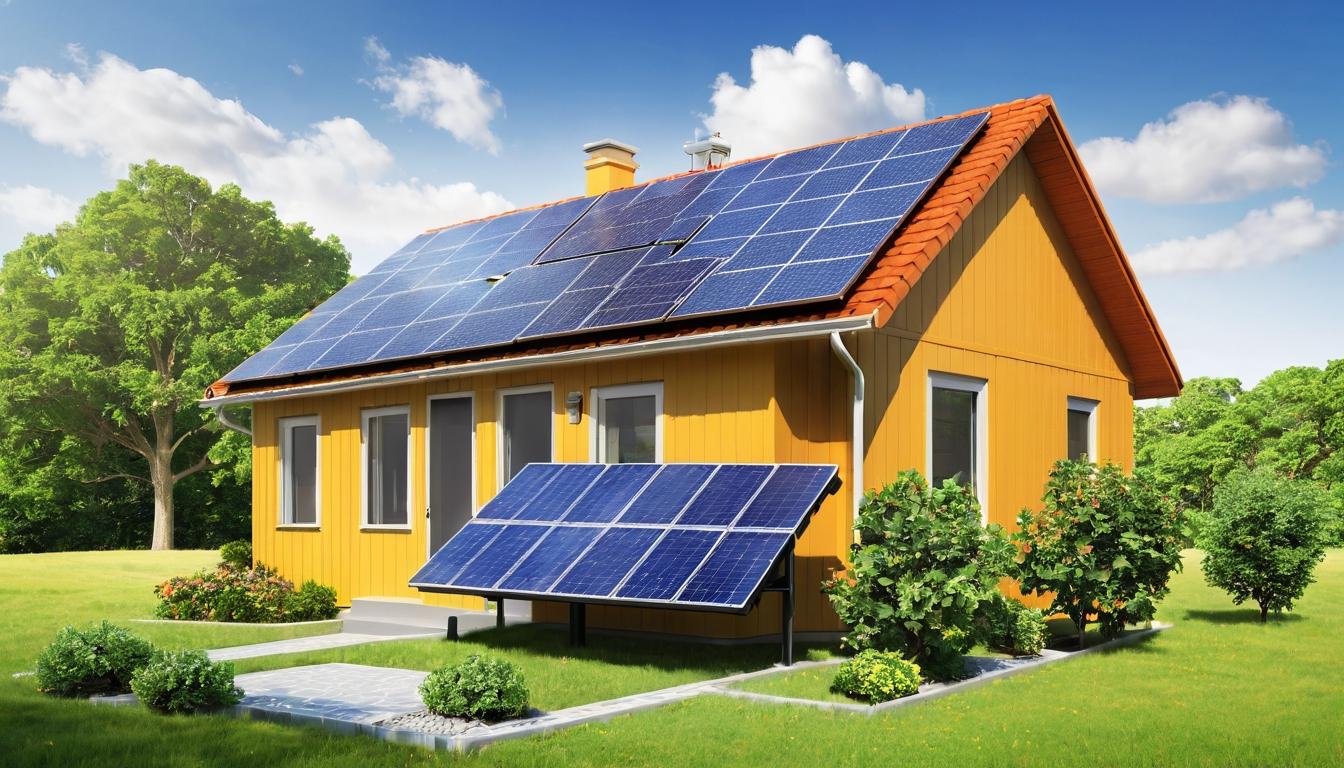
In the sun-drenched fields of California and across rooftops from Florida to Maine, solar panels are multiplying at a breathtaking pace. The numbers tell a triumphant story: solar accounted for 54% of all new electricity-generating capacity added in the first quarter of 2024, according to industry reports. But behind this gleaming success lies a growing tension—one that threatens to slow the very revolution it helped create. The electrical grid, that century-old marvel of engineering, is struggling to digest the feast of intermittent power solar provides.
Walk into any grid operator's control room, and you'll see the challenge illuminated on massive screens. When clouds drift over a solar farm, output can plummet by 80% in minutes. When the sun blazes at midday, solar floods the grid with more power than some regions can use. This isn't just a technical headache—it's becoming an economic paradox. In California, negative electricity prices during sunny afternoons have become increasingly common, essentially paying consumers to use power when solar generation peaks.
'The grid was designed for a one-way flow of electricity from large, predictable power plants to passive consumers,' explains Dr. Elena Rodriguez, a grid resilience researcher at Stanford. 'Now we have millions of small generators injecting power unpredictably. It's like trying to drink from a firehose that keeps turning on and off.' This reality has sparked what industry insiders call 'the great curtailment debate'—the deliberate reduction of solar output when the grid can't handle it. In 2023 alone, California curtailed enough solar energy to power 200,000 homes for a year.
But here's where the story takes an unexpected turn. While utilities and grid operators wrestle with solar's intermittency, a parallel revolution is quietly unfolding in basements and garages across America. Homeowners with solar panels are discovering they don't need to send all their excess power back to the grid. Instead, they're pairing their panels with batteries—creating what energy experts call 'solar-plus-storage' systems. These setups allow households to store midday solar surplus for use in the evening, when demand peaks but the sun has set.
This distributed storage movement represents more than just individual energy independence. When aggregated, these home batteries can form what grid operators call 'virtual power plants'—networks of distributed energy resources that can be dispatched like traditional power plants. In Vermont, Green Mountain Power has enrolled over 5,000 home batteries in a virtual power plant that provides grid services during peak demand. The utility pays participants for access to their stored energy, creating a new revenue stream for solar homeowners while enhancing grid stability.
Yet the storage solution brings its own complexities. Lithium-ion batteries, the current storage workhorse, face supply chain constraints and environmental questions about mining for critical minerals like lithium and cobalt. 'We're trading one set of dependencies for another,' notes materials scientist Dr. Arjun Patel. 'The solar panel supply chain has diversified significantly, but battery materials remain concentrated in a few countries.' This reality has sparked renewed interest in alternative storage technologies, from flow batteries using more abundant materials to mechanical systems like pumped hydro and compressed air storage.
Meanwhile, at the utility scale, solar developers are getting creative with grid integration. Some are building solar farms co-located with storage, creating what the industry calls 'hybrid power plants.' Others are experimenting with advanced inverters that can provide 'grid-forming' capabilities—essentially helping to stabilize the grid rather than just feeding power into it. These technical innovations are crucial, but they're only part of the solution.
The deeper challenge lies in regulatory frameworks designed for the last century's energy system. Most utilities still earn profits based on how much infrastructure they build, not how efficiently they use existing resources. This creates what energy economists call the 'utility death spiral'—as more customers install solar and batteries, utilities sell less electricity but must maintain the same grid infrastructure, leading to rate increases that push more customers toward solar, creating a self-reinforcing cycle.
'We need to redesign the entire business model,' argues regulatory expert Maria Chen. 'Utilities should be rewarded for integrating distributed energy, not just for building more poles and wires.' Several states are experimenting with alternative approaches. New York's 'Reforming the Energy Vision' initiative aims to transform utilities into distributed system platform providers. Hawaii has implemented time-of-use rates that better reflect the true cost of electricity at different times of day, encouraging solar owners to use or store their power when it's most valuable to the grid.
As the sun sets on another day of record solar generation, the path forward is becoming clearer. The solar revolution's next phase won't be measured just in gigawatts installed, but in how intelligently that power integrates with the grid. It will require technological innovation, certainly—better storage, smarter inverters, more accurate forecasting. But more fundamentally, it will require reimagining our relationship with electricity itself, from passive consumers to active participants in a dynamic energy ecosystem.
The grid integration challenge isn't a barrier to the solar revolution—it's the next frontier. And like all frontiers, it's where the most interesting innovations happen. From virtual power plants to grid-forming inverters to reimagined utility business models, the solutions emerging today will define our energy system for decades to come. The sun provides more than enough energy; our task is building a grid smart enough to use it.
The solar revolution's hidden challenge: navigating the grid integration maze