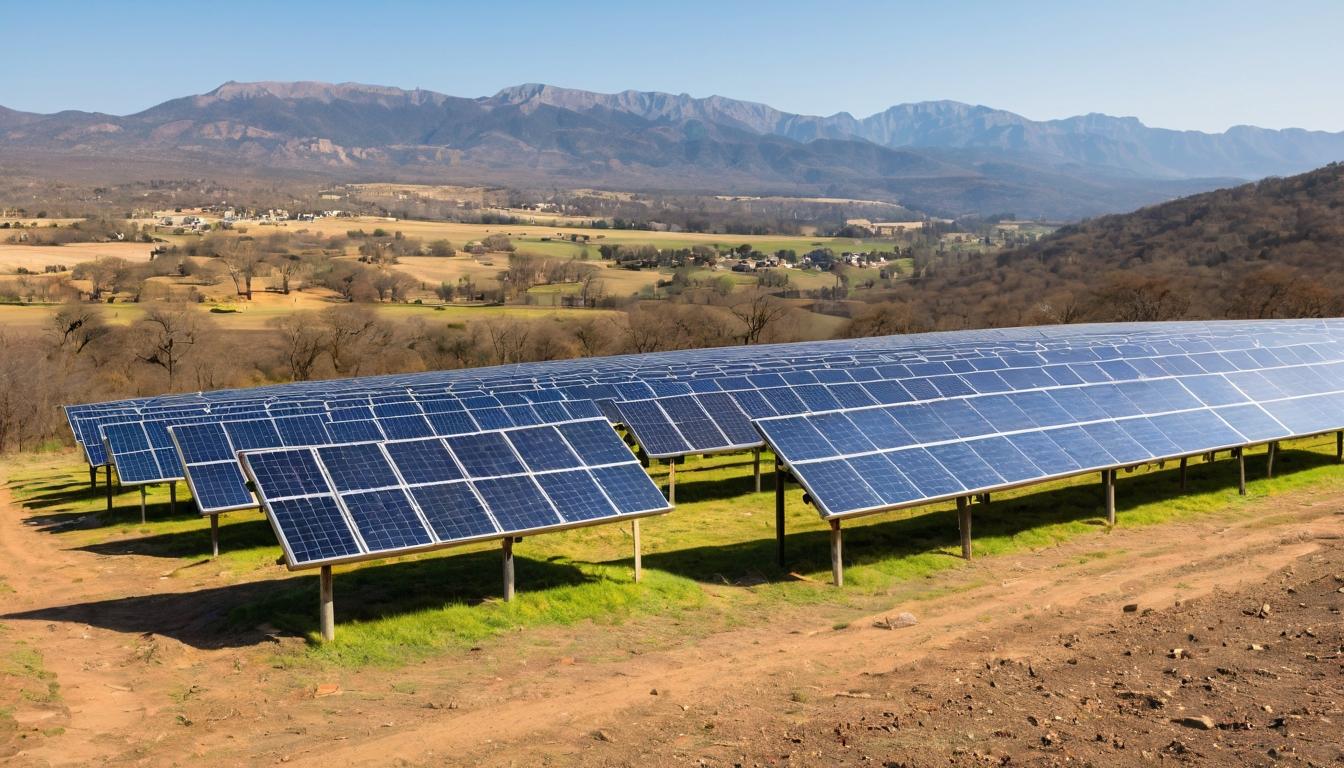
While solar panels gleam on rooftops and in sprawling fields, a quiet revolution is brewing behind the scenes—one that could determine whether our clean energy transition is truly sustainable or just another environmental burden in disguise. The industry's dirty little secret isn't about efficiency or cost anymore; it's about what happens when those shiny panels reach the end of their 25-30 year lifespans. With millions of panels installed during the early 2000s boom now approaching retirement, we're staring down a potential tsunami of solar waste that could reach 78 million metric tons globally by 2050 if we don't act now.
What's emerging from this challenge is nothing short of remarkable: a circular economy movement that's turning potential waste into valuable resources. Companies like First Solar have been quietly perfecting recycling technologies that recover up to 90% of panel materials, including silver, silicon, and glass. But here's where it gets interesting—this isn't just about environmental responsibility anymore. The recovered materials are becoming increasingly valuable as supply chain disruptions make virgin materials harder to source. We're witnessing the birth of an entirely new industry sector that could be worth billions, all built on what we used to throw away.
Meanwhile, in communities from Brooklyn to Berkeley, another transformation is unfolding that challenges traditional energy models. Community solar projects—shared arrays that allow multiple households to benefit from a single installation—are democratizing access like never before. For renters, low-income families, and those with shaded roofs, these projects represent more than just clean energy; they represent energy justice. The numbers tell a compelling story: community solar capacity has grown from virtually nothing a decade ago to over 3 gigawatts today, with projections suggesting it could reach 14 gigawatts by 2030.
But here's the twist that most mainstream coverage misses: the most successful community solar projects aren't just about technology or economics. They're about social architecture. The projects that thrive are those that embed themselves in community needs—partnering with local organizations, creating job training programs, and sometimes even incorporating agricultural elements beneath the panels (a practice called agrivoltaics). In Colorado, one community solar garden donates a portion of its revenue to help low-income neighbors pay their energy bills. In Minnesota, another incorporates native pollinator habitats beneath the panels. This isn't just solar power; it's community power in the truest sense.
Now, let's connect these seemingly disparate threads. The recycling innovation and community solar movements are converging in unexpected ways. Some forward-thinking community solar developers are already building end-of-life recycling into their project plans, creating closed-loop systems that communities can truly own from installation to reincarnation. Others are using recycled materials in new installations, though this practice remains frustratingly rare due to outdated regulations and industry inertia.
What's becoming clear is that the next phase of solar's evolution won't be measured in watts per dollar alone. The metrics that will matter are social return on investment, circularity percentages, and community engagement scores. Utilities and developers who understand this shift are positioning themselves for long-term success, while those clinging to the old model of simply installing as many panels as possible may find themselves with stranded assets—both physical and reputational.
The regulatory landscape is scrambling to catch up. Several states have proposed extended producer responsibility laws for solar panels, similar to those for electronics, that would require manufacturers to fund recycling programs. The federal government is considering tax incentives for using recycled materials in new panels. But as always, the most interesting action is happening at the local level, where zoning boards, community organizations, and innovative developers are writing the playbook for what truly sustainable solar looks like.
Perhaps the most exciting development is how these trends are creating new economic opportunities in regions left behind by previous energy transitions. Solar panel recycling facilities are opening in former coal country, offering jobs that pay comparable wages to extractive industries. Community solar projects are keeping energy dollars circulating locally rather than flowing to distant corporate headquarters. We're witnessing the emergence of what might be called 'energy localism'—a recognition that how we generate and manage energy has profound implications for community wealth and resilience.
As we stand at this inflection point, the question isn't whether solar will continue to grow—that trajectory seems certain. The real question is what kind of solar industry we're building. Will it be one that extracts resources, produces waste, and concentrates benefits, merely replacing one set of problems with another? Or will it be one that mimics nature's circular systems, strengthens communities, and creates value at every stage of the lifecycle? The answer is being written right now in recycling labs, community meetings, and regulatory hearings across the country. And for once, the smart money isn't betting against the sustainable option.
The solar revolution's hidden battleground: How recycling and community power are reshaping our energy future