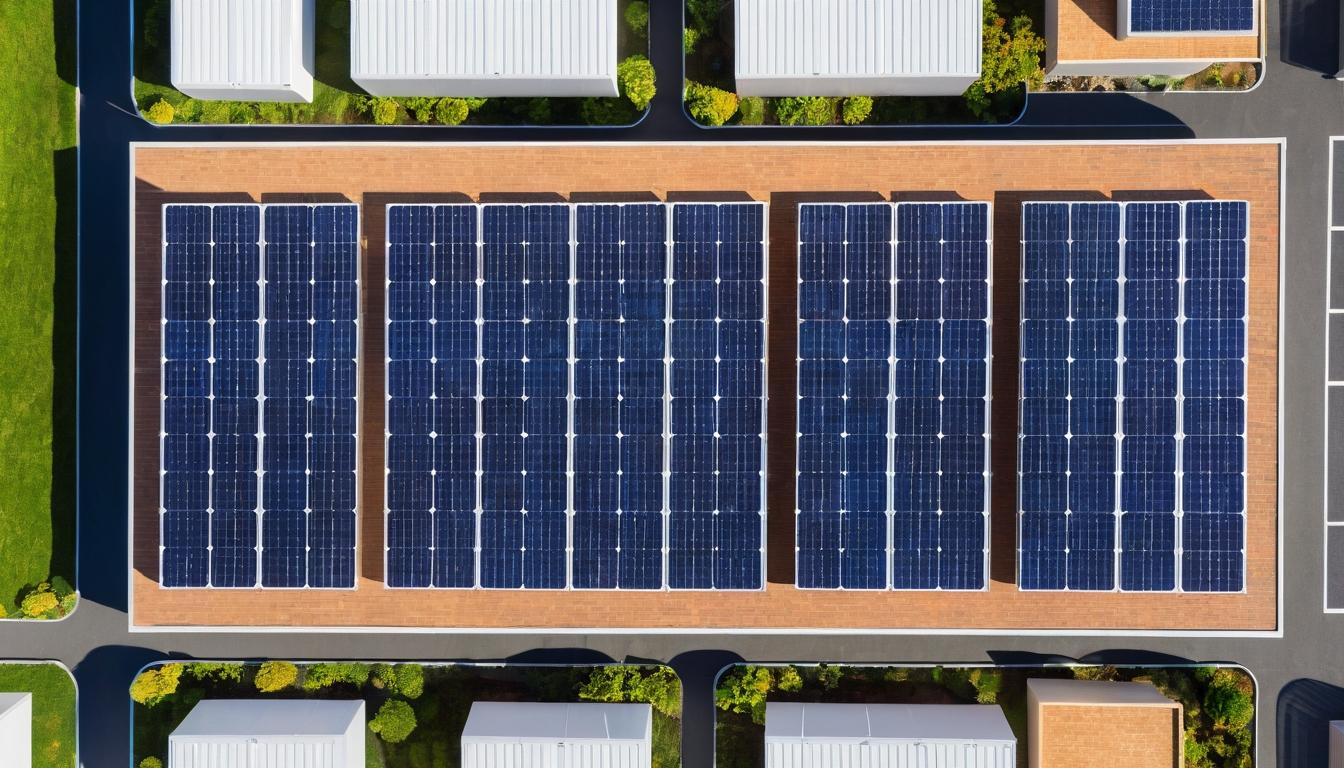
If you think solar power is just about panels on rooftops, you're missing the real story. Beneath the glossy surface of photovoltaic installations lies a complex ecosystem of innovation, policy battles, and economic shifts that are reshaping our energy landscape in ways most people haven't noticed. This isn't just about clean energy—it's about power, literally and figuratively, changing hands from centralized utilities to communities and individuals.
Walk through any suburban neighborhood today, and you'll see the obvious signs: black rectangles glinting in the sun, multiplying like technological mushrooms after a rainstorm. But what you don't see are the behind-the-scenes negotiations, the regulatory loopholes being exploited and closed, the manufacturing wars between East and West, and the quiet revolution in how we think about energy ownership. While politicians debate climate targets, engineers and entrepreneurs are building the future one microgrid at a time.
Consider the materials science arms race happening right now. While silicon panels still dominate the market, laboratories from Boston to Bangalore are experimenting with perovskites, organic photovoltaics, and even quantum dot technologies that could make today's panels look as primitive as candlelight. The efficiency gains aren't incremental—they're potentially revolutionary. We're talking about transparent solar windows, flexible solar fabrics, and paint-on photovoltaic coatings that could turn every sun-facing surface into a power generator.
Then there's the storage revolution that's finally catching up to solar's potential. For years, solar faced the 'duck curve' problem—producing too much power when demand was low and not enough when everyone came home and turned on their appliances. But lithium-ion batteries, flow batteries, and even gravity-based storage systems are changing that equation. Homeowners aren't just generating electricity; they're becoming their own utilities, storing excess power and selling it back to the grid during peak hours.
The financial landscape is equally fascinating. Solar securitization—bundling residential solar contracts into tradeable securities—has created a whole new asset class. Meanwhile, community solar programs allow renters and low-income households to participate in the transition without installing panels. The old model of massive power plants feeding one-way grids is being replaced by a distributed, democratized system that's more resilient and, ironically, more capitalist than the centralized utility model it's displacing.
Manufacturing tells its own geopolitical story. China's dominance in panel production isn't just about cheap labor—it's about strategic investments in polysilicon refinement, government subsidies that dwarf Western efforts, and vertical integration that controls the supply chain from raw materials to finished products. The U.S. response has been a mix of tariffs, innovation in next-generation technologies, and reshoring efforts that face both economic and environmental hurdles.
Installation has become its own art form. Drone-assisted site surveys, AI-powered design software that optimizes panel placement down to the degree, and robotic installers are transforming what was once a roofing-adjacent trade into a high-tech industry. The best installers aren't just contractors; they're energy consultants who analyze consumption patterns, utility rates, and future needs to design systems that pay for themselves faster than most home improvements.
Policy remains the wild card that could accelerate or stall this transition. Net metering battles rage in state capitals, with utilities fighting to reduce what they pay for excess solar power. Meanwhile, the Inflation Reduction Act's tax credits have created a gold rush, but implementation has been messy, with supply chain constraints and workforce shortages tempering the boom. Internationally, solar is becoming a tool of soft power, with countries exporting not just panels but entire energy ecosystems to developing nations.
The environmental story goes beyond carbon reduction. Solar farms are being designed as dual-use landscapes—agrivoltaics that combine food production with energy generation, floating solar on reservoirs that reduces evaporation while generating power, and brownfield redevelopment that turns contaminated sites into clean energy hubs. The land-use debates are complex, pitting conservationists against renewable advocates in unexpected ways.
Looking forward, the integration of solar with other technologies promises even greater transformation. Electric vehicles that charge from rooftop panels during the day and power homes at night, smart inverters that stabilize grids rather than destabilize them, and blockchain-enabled peer-to-peer energy trading are moving from pilot projects to mainstream applications. The grid itself is becoming smarter and more responsive, capable of handling millions of distributed generators instead of hundreds of centralized ones.
What's most remarkable isn't any single breakthrough, but how these pieces are converging. The solar revolution isn't coming—it's already here, unfolding in regulatory hearings, research laboratories, factory floors, and suburban backyards. It's messy, contested, and unpredictable, which makes it all the more fascinating to watch. The sunlight hitting your roof today isn't just energy; it's currency, political leverage, technological potential, and environmental hope all wrapped in photons.
The hidden revolution: how solar energy is quietly transforming our world