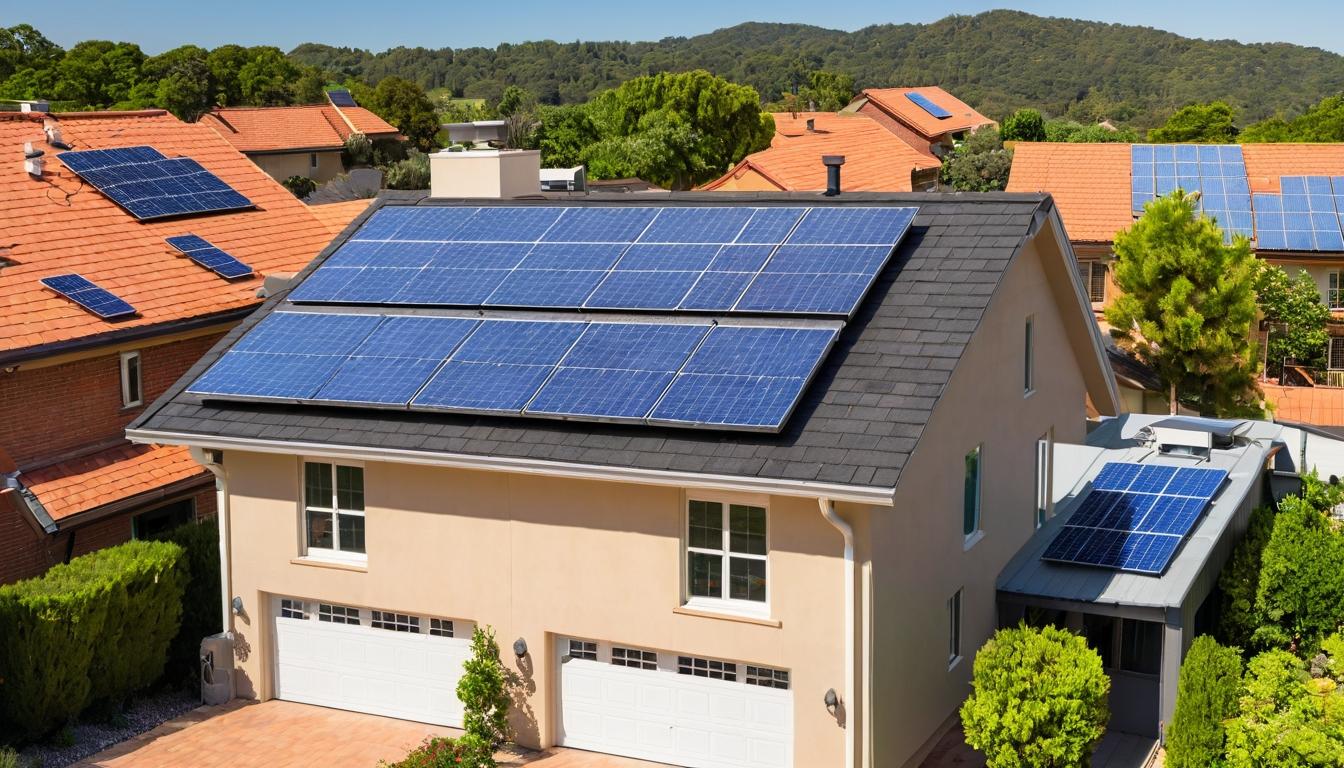
If you think solar panels are just about saving money on your electric bill, you're missing the bigger picture. There's a quiet revolution happening right now—one that's reshaping not just how we power our homes, but how entire communities, businesses, and even the electrical grid itself operate. It's happening on rooftops, in parking lots, and across vast fields, and it's driven by innovations most people haven't even heard of.
Let's start with something you might have noticed: solar panels are getting cheaper and more efficient, but that's only part of the story. The real game-changer is something called 'bifacial' technology. Unlike traditional panels that only capture sunlight from one side, bifacial panels absorb light from both sides—direct sunlight from above and reflected light from below. This might sound like a small tweak, but it can boost energy production by up to 30%. Imagine installing these over light-colored surfaces like white gravel or even snow-covered ground; suddenly, every reflection becomes a source of power.
But efficiency isn't the only frontier. Have you ever wondered what happens to solar panels at the end of their life? For years, this was the industry's dirty little secret—panels filled with materials that were hard to recycle. Now, a wave of startups is tackling this head-on, developing methods to recover over 95% of a panel's materials. Silver, silicon, glass—all of it can be reclaimed and reused. This isn't just good for the planet; it's creating a circular economy where old panels fund new ones.
Meanwhile, the solar industry is facing a paradox: as installations soar, the grid is struggling to keep up. Too much solar power at noon can overwhelm local networks, leading to curtailment—where utilities literally pay solar owners to turn off their systems. The solution? Smart inverters and advanced energy management systems. These devices don't just convert sunlight into electricity; they communicate with the grid, adjusting output in real-time to maintain stability. It's like giving every solar system a brain, allowing it to play nicely with its neighbors.
On the residential front, solar is becoming more accessible than ever, thanks to new financing models and community solar projects. You don't need to own a sunny roof to benefit; many programs allow renters or those with shaded homes to subscribe to a share of a larger solar array. This democratizes clean energy, breaking down barriers that once made solar a luxury for the few.
But perhaps the most exciting development is happening at the intersection of solar and agriculture. 'Agrivoltaics'—the practice of co-locating solar panels and crops—is proving that we don't have to choose between food and energy. Studies show that certain crops, like leafy greens or berries, actually thrive under partial shade from elevated panels. The panels reduce water evaporation, protect plants from extreme heat, and farmers earn extra income from leasing their land for solar. It's a win-win that's turning barren fields into productive dual-use landscapes.
Of course, none of this happens without policy. Incentives like the federal Investment Tax Credit have been crucial, but now states are getting creative with performance-based incentives and streamlined permitting. Some cities are even mandating solar on new construction, treating it like any other essential utility.
As we look ahead, the solar revolution is about more than just technology; it's about reimagining our relationship with energy. From recycling breakthroughs to grid-smart systems, the pieces are falling into place for a future where clean, abundant power is the norm. And the best part? This transformation is happening right under our noses, one panel at a time.
The hidden revolution: How solar energy is quietly transforming everything from your roof to the grid