In the quiet hours between midnight and dawn, while most households sleep, a silent revolution is unfolding. It doesn't make headlines or require police sirens. Instead, it hums with the soft whir of cameras panning, sensors detecting, and algorithms learning. Modern home security has evolved from clunky alarm systems that screamed when triggered to intelligent ecosystems that anticipate, adapt, and communicate—often without human intervention.
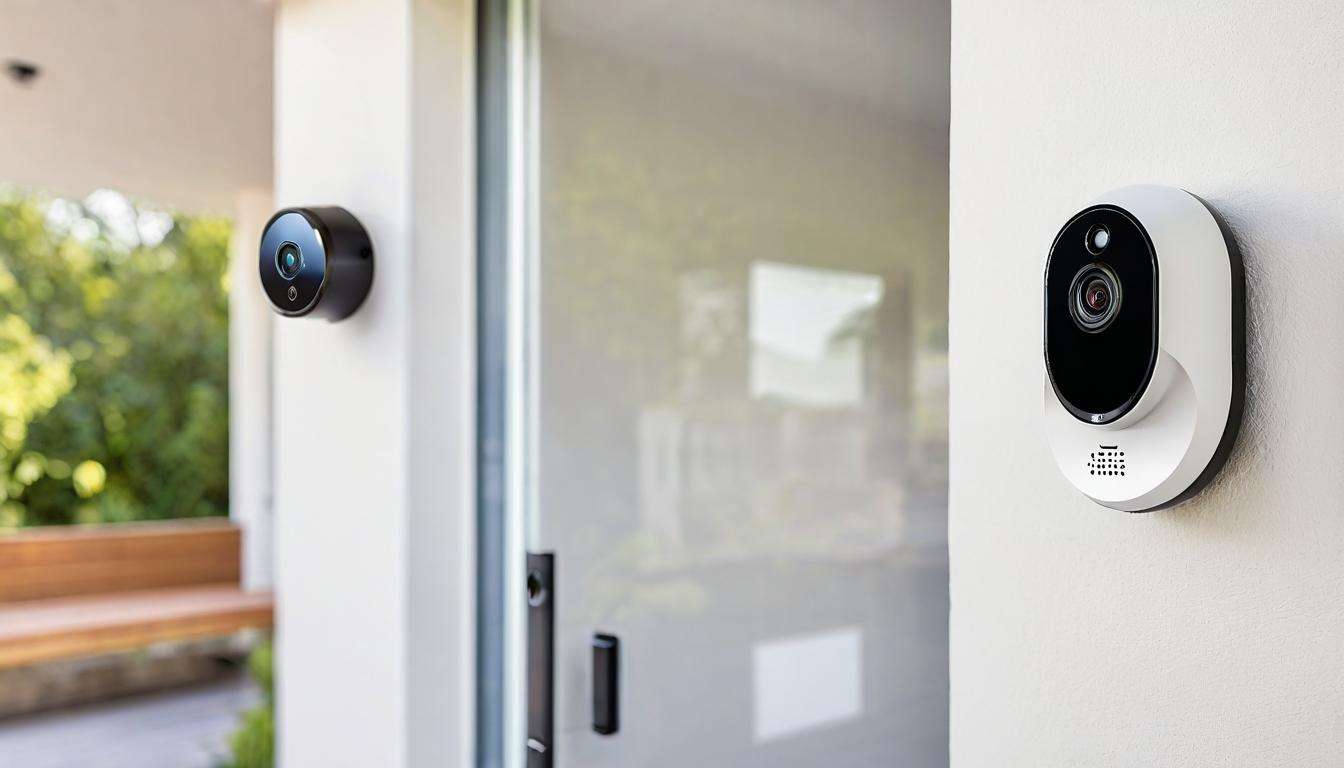
Walk through any neighborhood today, and you'll notice the subtle signs: discreet cameras mounted under eaves, smart doorbells with wide-angle lenses, and motion-activated lights that cast long shadows across manicured lawns. These aren't just gadgets; they're the nervous system of the contemporary home, constantly gathering data, learning patterns, and building what security experts call 'behavioral baselines.' When your smart system knows your dog's afternoon nap schedule or recognizes the mail carrier's uniform, it can distinguish between routine and threat with startling accuracy.
This intelligence comes at a price beyond dollars. Privacy advocates whisper about data collection, cloud storage vulnerabilities, and the Orwellian potential of always-watching devices. Yet the statistics tell a compelling counter-story: homes with visible security systems are 300% less likely to be targeted by burglars. The psychological deterrent of a blinking red light or a camera's unblinking eye creates what criminologists term 'perceived risk'—making potential intruders calculate odds rather than act on impulse.
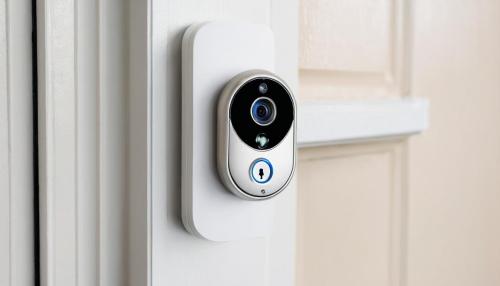
Behind the sleek interfaces lies a complex web of technologies talking to each other. Your doorbell camera might alert your indoor sensors to arm themselves when you leave. Your smart locks can generate temporary digital keys for guests while logging every entry. Even your lighting system can participate in the security theater, programming random patterns to simulate occupancy during vacations. This interoperability creates what one security engineer described as 'a chorus of devices singing in harmony to protect the home.'
The human element, however, remains irreplaceable. Neighborhood watch programs have digitized into Nextdoor alerts and community camera networks. Parents monitor children's arrivals from work via smartphone feeds. Elderly relatives gain independence with fall-detection sensors that notify family members. This social layer transforms security from a solitary concern into a collective responsibility—a digital village watching over its own.
Yet vulnerabilities persist in unexpected places. The smart thermostat you installed for energy savings might provide a backdoor to your network. The baby monitor broadcasting to your phone could be intercepted. Even robotic vacuum cleaners with mapping capabilities have raised eyebrows among privacy experts. The very connectivity that empowers modern security also creates potential entry points, requiring users to become amateur cybersecurity experts—managing passwords, updating firmware, and understanding encryption.
Looking forward, the frontier of home security is shifting from reaction to prediction. Machine learning algorithms analyze thousands of data points to identify anomalies before they become emergencies. Sensors can now detect water leaks behind walls, electrical faults before they spark, and even air quality changes that might indicate fire. The definition of 'security' is expanding from crime prevention to holistic home health monitoring.
Perhaps the most profound change is psychological. For generations, home security meant keeping bad things out. Today's systems also focus on letting good things in—delivery drivers leaving packages in secure smart boxes, dog walkers accessing with temporary codes, cleaning services operating on scheduled windows. This shift from fortress mentality to managed access reflects how our relationship with security is maturing from fear-based to functionality-driven.
As dusk settles and porch lights flicker on across suburbia, these silent guardians continue their watch. They don't just protect property; they preserve peace of mind in an uncertain world. In the delicate balance between security and privacy, convenience and control, today's homeowners are navigating uncharted territory—guided not by fear, but by the quiet confidence that comes from being watched over by systems that learn, adapt, and above all, understand what home really means.
The silent guardians: how smart home security is quietly rewriting the rules of safety