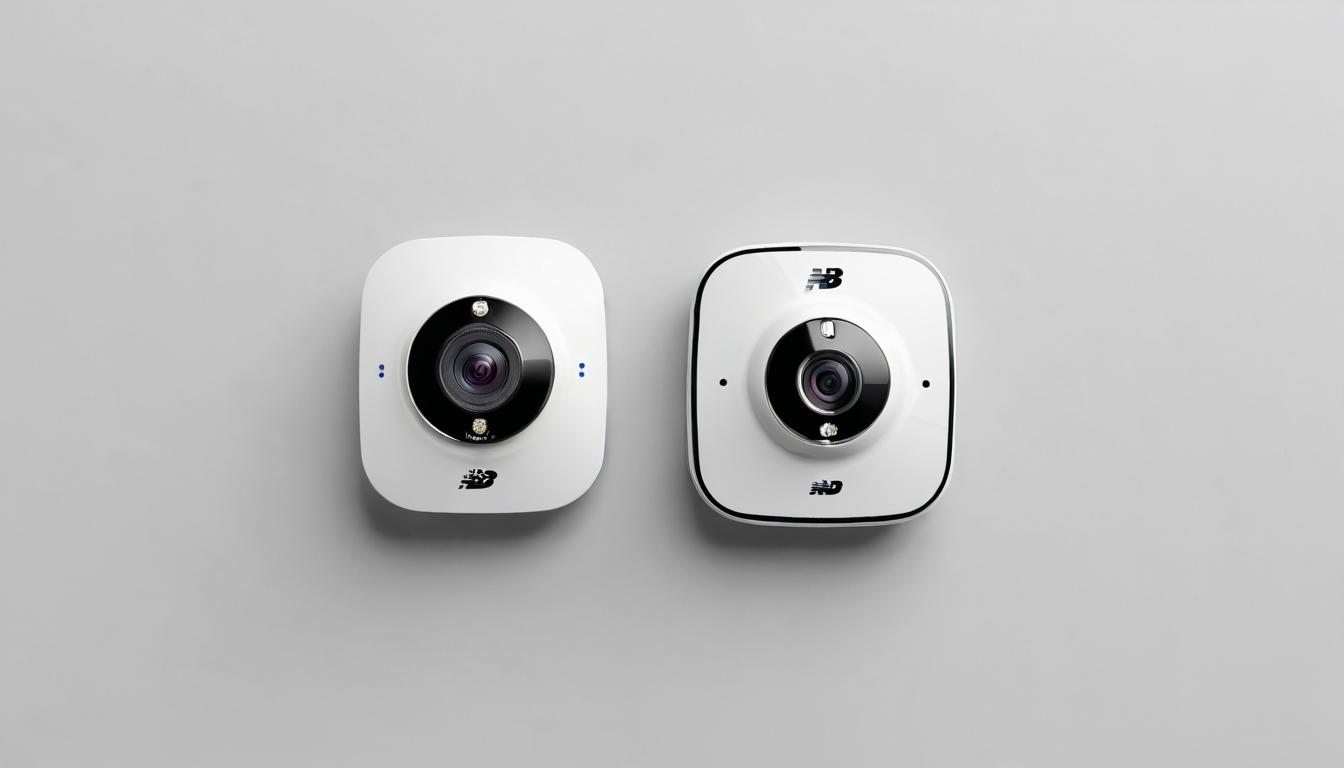
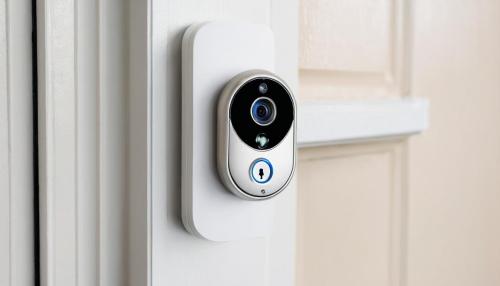
In the quiet suburbs of America, a revolution is happening behind closed doors. Not with protest signs or loud demonstrations, but with blinking LED lights and silent Wi-Fi signals. Home security has transformed from simple deadbolts and barking dogs into a complex digital ecosystem where your front door might be smarter than your smartphone. But as we wire our homes with cameras that watch our every move and locks that respond to voice commands, we're discovering that convenience comes with hidden costs.
Walk through any modern security website—Safety.com, SafeWise, The Secure Dad—and you'll find glowing reviews of the latest smart cameras and automated systems. What you won't find in the marketing materials is the uncomfortable truth: every connected device is another potential entry point. A recent investigation revealed that some popular smart locks can be bypassed with nothing more than a strong magnet, while certain Wi-Fi cameras have backdoors that even a determined teenager could exploit. The very technology meant to protect us is creating vulnerabilities we never imagined.
Consider the family in Austin, Texas, who discovered their baby monitor had been broadcasting to an IP address in Eastern Europe for three months. Or the retired couple in Florida whose smart thermostat was hijacked to mine cryptocurrency, running up a $400 electricity bill. These aren't isolated incidents—they're symptoms of an industry racing ahead without looking at the road. SecurityNerd's technical analyses consistently show that many 'secure' devices have fundamental flaws in their encryption or authentication protocols.
What's particularly troubling is how these vulnerabilities intersect with our daily lives. That doorbell camera that lets you see who's outside? It might also be recording conversations inside your home. The smart lock that lets you remotely admit the dog walker? It could potentially be manipulated to lock you out during an emergency. A Secure Life's practical guides often gloss over these darker possibilities, focusing instead on installation tips and battery life.
Even the physical security measures we've relied on for generations are being compromised by digital integration. Take the humble window sensor—now 'enhanced' with Bluetooth connectivity that can be jammed with a $30 device from an electronics store. Or the motion-activated floodlight that requires a cloud connection to function properly, leaving your property in darkness during internet outages. Family Security Matters has documented cases where over-reliance on technology left homeowners more vulnerable than if they'd stuck with traditional methods.
Perhaps most concerning is the data trail we're creating. Every smart security device collects information—when you come and go, who visits your home, even your daily routines. This data doesn't just live on your phone; it passes through company servers, third-party analytics platforms, and sometimes questionable data brokers. The Secure Dad's family-focused approach rarely addresses what happens to this intimate information once it leaves your network.
There's a growing disconnect between what security companies promise and what they deliver. Marketing materials show families sleeping peacefully while their digital guardians stand watch, but the reality is more complicated. Many systems have poorly documented APIs, default passwords that users never change, and update mechanisms that fail silently. Safety.com's comparison charts might tell you which camera has the highest resolution, but they won't mention which ones have unpatched vulnerabilities from 2019.
This isn't to say we should abandon technology and return to guard dogs and trip wires. Modern security systems have prevented countless break-ins and helped solve serious crimes. The challenge is finding balance—embracing innovation while maintaining healthy skepticism. It means reading beyond the star ratings on SafeWise to understand the technical specifications. It involves looking past A Secure Life's 'top picks' to research who manufactures the components and where the data actually goes.
The solution starts with awareness. Before installing any smart security device, ask the uncomfortable questions: What data does it collect? Where does that data go? How often is it updated? What happens if the company goes out of business? Check SecurityNerd's technical deep dives rather than just the glossy review sites. Look for devices that work locally without cloud dependence whenever possible.
Ultimately, true security in the digital age requires both technological savvy and old-fashioned vigilance. It means having smart devices but also maintaining physical barriers. It involves using encrypted cameras while still getting to know your neighbors. The most secure homes aren't those with the most gadgets—they're those where technology serves human wisdom rather than replacing it. As we navigate this new landscape, our greatest protection might not be in the devices we buy, but in the questions we're willing to ask before we bring them home.
The silent alarm: how smart home security is creating new vulnerabilities