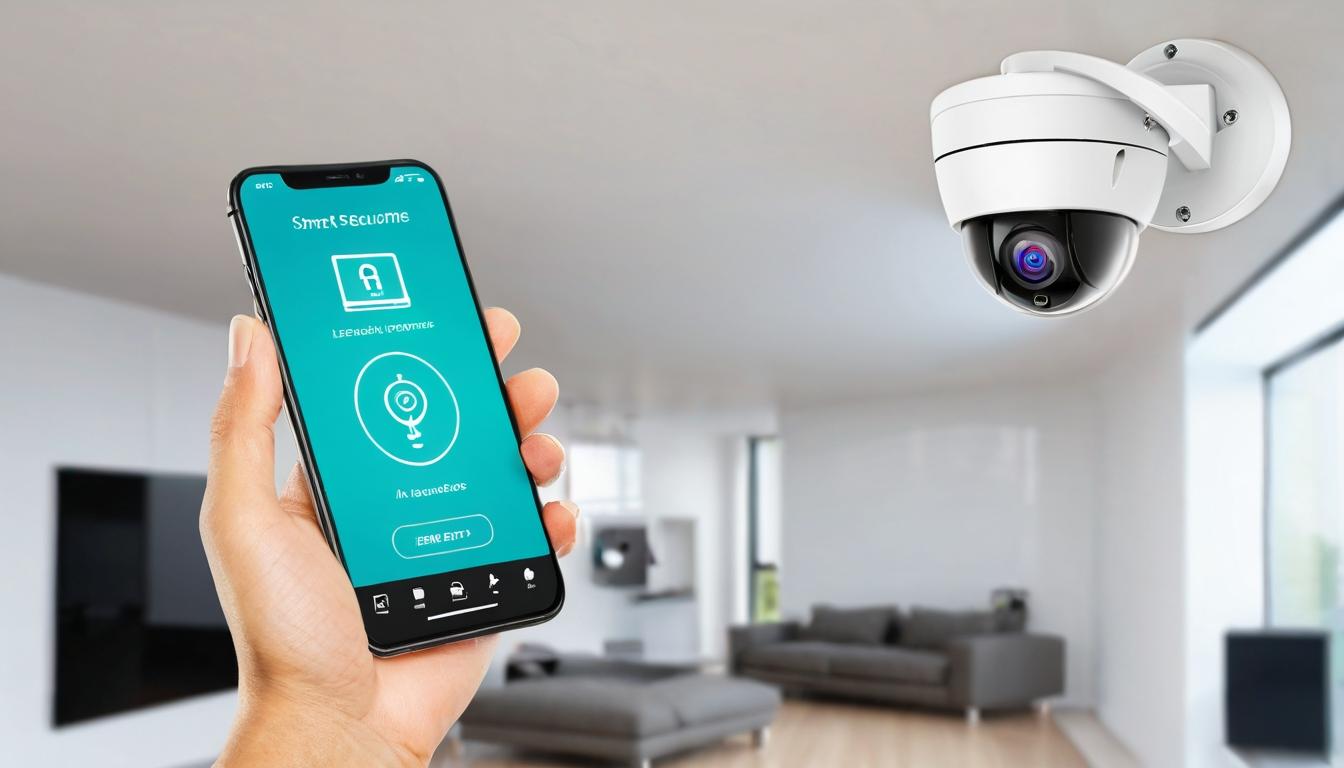
You've installed the cameras, set up the motion sensors, and subscribed to the monitoring service. Your home security system looks impressive on paper—a fortress of digital protection. But what if the very technology designed to keep you safe is creating new vulnerabilities you never considered? Across the country, homeowners are discovering that modern security isn't just about keeping bad people out; it's about understanding how our digital footprints create unexpected risks.
Let's start with the smart devices themselves. That voice assistant you use to play music and check the weather? It's constantly listening. While manufacturers claim they only activate with wake words, security researchers have demonstrated how these devices can be tricked into recording conversations without the telltale light indicator. The convenience of hands-free control comes with a trade-off: you're inviting a microphone into your most private spaces. And it's not just about what these devices hear—it's about what they share. Many smart home systems transmit data to cloud servers, creating potential entry points for hackers who know how to exploit weak encryption.
Then there's the illusion of the security camera feed. You check your phone and see your living room empty, your front porch quiet. But camera feeds can be intercepted, especially with wireless systems using default passwords. There's a thriving dark web market for compromised security camera access, where strangers pay to watch families go about their daily lives. The very technology meant to give you peace of mind can become a window for voyeurs if not properly secured. Even more concerning: some cameras continue to record audio when you think they're off, storing conversations you never intended to preserve.
Consider your digital routines. You disarm your alarm with a smartphone app while pulling into the driveway. You check camera feeds while on vacation. You receive notifications when packages arrive. Each of these actions creates patterns—predictable behaviors that could be observed and exploited. A sophisticated thief doesn't need to pick locks when they can intercept your disarm signal or spoof your phone's location to trick your system into thinking you're home when you're not. The digital breadcrumbs we leave every day create a roadmap for those who know how to read them.
Family dynamics introduce another layer of vulnerability. Children sharing photos online might inadvertently reveal security system details in the background. Teenagers downloading questionable apps could introduce malware that spreads to connected home devices. Elderly relatives might fall for phishing scams that compromise network security. Your home's digital safety isn't just about your own habits—it's about everyone who connects to your network, uses your devices, or shares information about your home.
Even your physical security choices have digital implications. That smart lock on your front door? It relies on software that needs regular updates. The garage door opener with remote access? It communicates over networks that can be jammed or hijacked. The thermostat that learns your schedule? It knows when you're away. Each connected device represents another potential weakness in your overall security posture.
So what's the solution? It starts with treating home security as an ongoing process rather than a one-time installation. Regularly update all device firmware. Use unique, complex passwords for every device and enable two-factor authentication wherever possible. Audit what data your devices collect and where it goes. Create separate networks for smart devices and personal computers. Teach every family member about digital security basics. And perhaps most importantly: occasionally disconnect. The most secure home isn't necessarily the most connected one.
True security in the digital age requires balancing convenience with caution, embracing technology while understanding its limitations, and recognizing that the greatest threats often come through the devices we trust most. Your home's safety no longer depends solely on strong locks and alarm systems—it depends on your awareness of the invisible digital landscape surrounding your physical space.
The hidden vulnerabilities in your smart home security