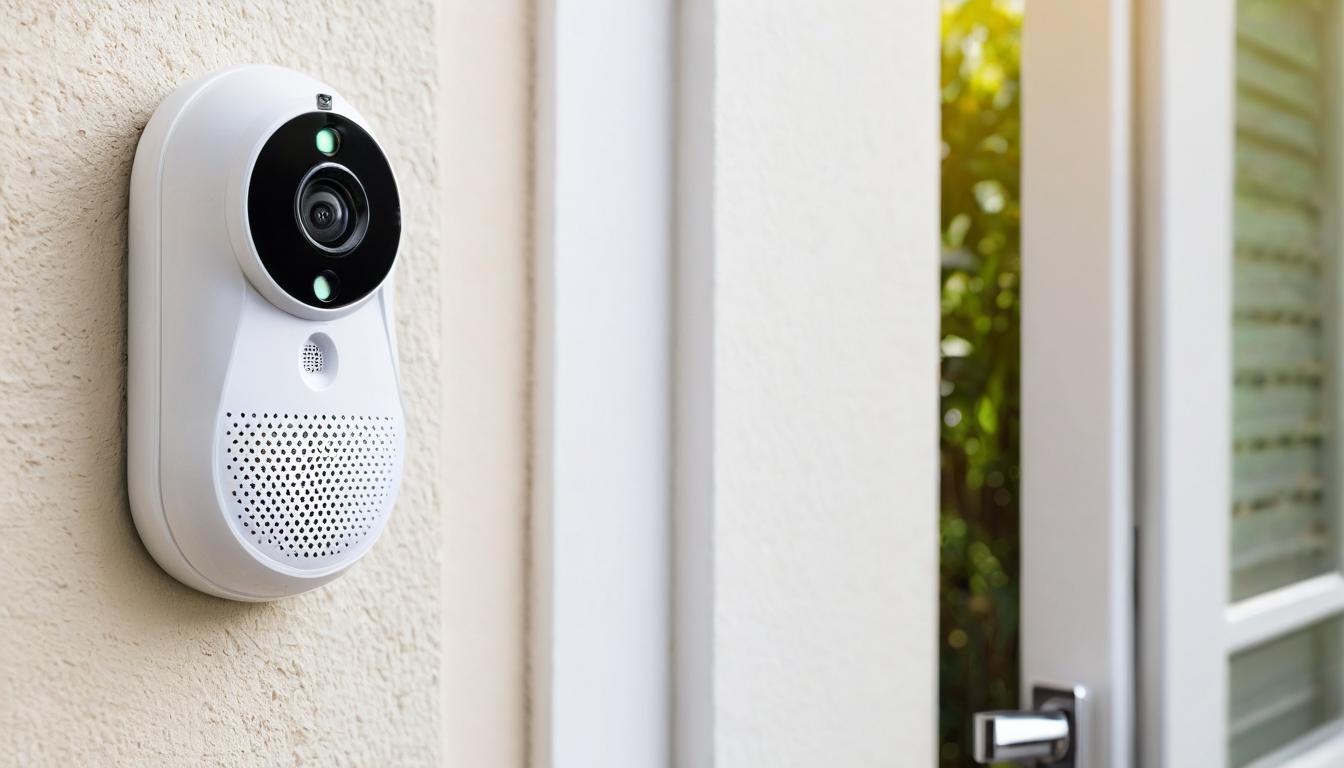
You've installed the smart cameras, armed the motion sensors, and programmed the alarm system. Your home security checklist is complete—or so you think. While browsing through popular security websites like Safety.com, SafeWise, and The Secure Dad, I noticed a troubling pattern: most advice focuses on the obvious threats while ignoring the subtle cracks in our digital and physical defenses. After digging deeper into sources like SecurityNerd and A Secure Life, I discovered that the real dangers aren't always the ones advertised in flashy marketing campaigns.
Let's start with the illusion of smart home invincibility. That voice-activated assistant you use to turn off lights? It's listening more than you realize. Security researchers have documented how seemingly benign devices—from smart thermostats to Wi-Fi enabled baby monitors—create backdoors into your private life. Hackers don't need to break down your door when they can simply exploit default passwords you never changed or firmware you forgot to update. The convenience of controlling your home from your phone comes with a hidden cost: every connected device is another potential entry point.
Then there's the social engineering threat that no alarm system can detect. Scammers are getting sophisticated, using publicly available information from social media to craft convincing stories. They might know when you're on vacation because you posted sunset photos from Hawaii, or they could impersonate utility workers using details from neighborhood forums. FamilySecurityMatters.org has documented cases where criminals used children's school schedules—gleaned from public parent groups—to time their burglaries perfectly. Your digital footprint is often the first thing criminals study, and most security systems do nothing to protect it.
Physical security has its own blind spots. We obsess over front door deadbolts while forgetting about garage door openers—one of the most vulnerable points in any home. Old rolling-code systems can be hacked with relatively cheap equipment, giving thieves silent access to your home through the garage. Even window sensors won't help if someone simply walks through an unlocked side gate you forgot about after taking out the trash. The Secure Dad's practical advice about routine security audits highlights how we protect what we can see while ignoring what's hidden in plain sight.
Neighborhood dynamics present another overlooked vulnerability. That friendly community Facebook group where everyone shares package delivery updates? It's also telling criminals which homes receive valuable shipments. The 'Nextdoor' app alert about suspicious activity might actually help thieves identify which security measures neighbors are using. There's a delicate balance between community watchfulness and oversharing that most security advice completely ignores. SafeWise's neighborhood safety guides touch on this, but rarely address how our desire for community connection can undermine our security.
Insurance loopholes create financial vulnerabilities even after you've taken every precaution. Many homeowners discover too late that their policy doesn't cover specific types of theft or requires security measures they didn't know about. Some policies void coverage if you don't immediately report a breach to authorities, while others have hidden clauses about 'reasonable care' that insurance companies interpret broadly. Reading the fine print of your policy is as important as installing cameras, yet few security websites emphasize this crucial step.
The psychological aspect of security might be the most significant blind spot of all. We create patterns criminals can predict—leaving at the same time each morning, turning on the same lights each evening. We become complacent after months without incident, letting security routines slide. We trust technology to protect us without understanding its limitations. This false sense of security is what experienced burglars look for when casing neighborhoods. They want homes where security appears strong but is actually predictable and poorly maintained.
So what's the solution? First, embrace security as a dynamic process rather than a one-time setup. Regularly update passwords, audit your connected devices, and physically check all entry points monthly. Second, think like a criminal—walk around your property looking for vulnerabilities, study your own digital footprint, and identify patterns you should break. Third, build layers of security rather than relying on single solutions. A camera plus motion sensor plus proper lighting plus neighborhood awareness creates a system where one failure doesn't mean complete vulnerability.
Finally, remember that the goal isn't to live in a fortress, but to create reasonable protection that doesn't consume your life. The best security measures are those you'll actually maintain consistently. Sometimes that means choosing simpler, more reliable systems over flashy high-tech options. Sometimes it means accepting that perfect security doesn't exist, but thoughtful, layered protection does. Your home should feel like a sanctuary, not a prison—and with the right approach, it can be both secure and welcoming.
The hidden vulnerabilities in modern home security: what the pros won't tell you