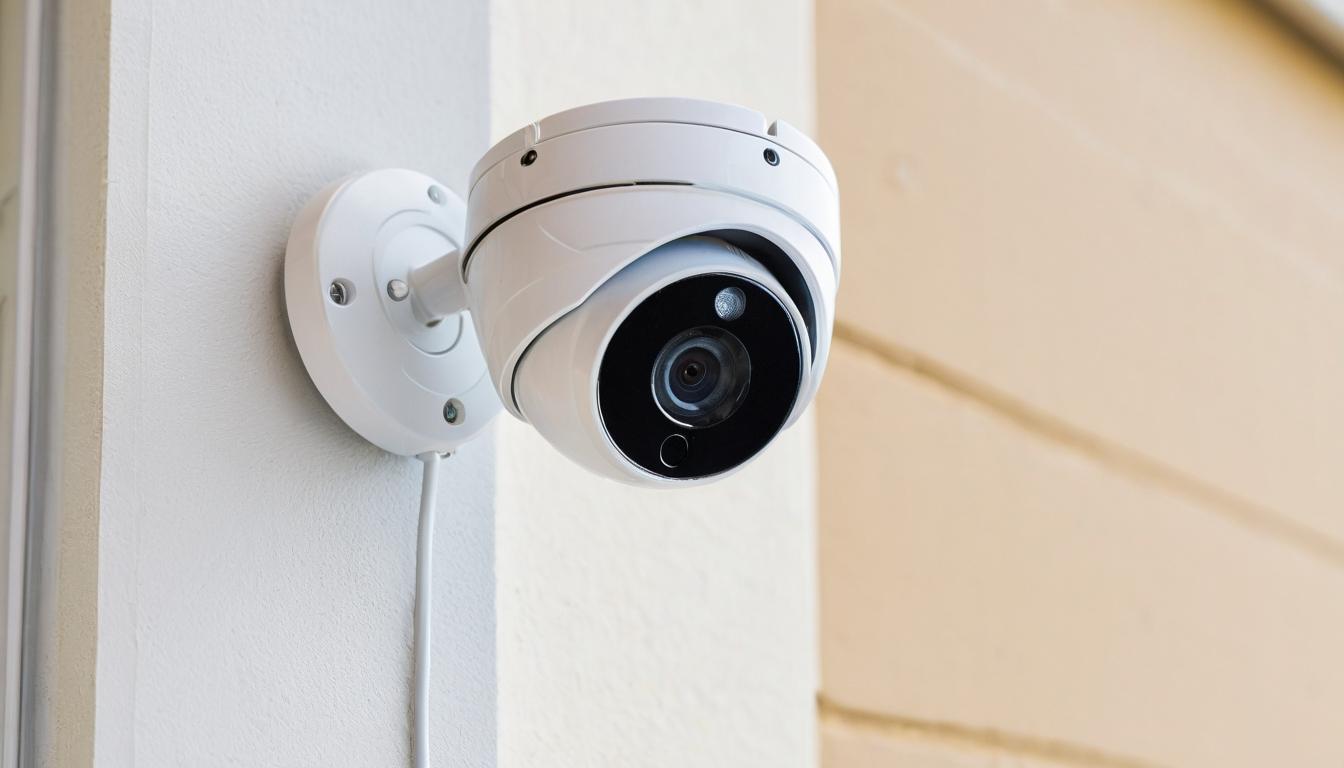
Picture this: you've installed the latest smart security system, complete with cameras that ping your phone and sensors that chirp reassuringly. You sleep soundly, believing your fortress is impenetrable. But here's the unsettling truth—the very technology designed to protect you might be creating new vulnerabilities that criminals are learning to exploit faster than manufacturers can patch them.
While researching security blogs and manufacturer claims, I discovered a disturbing pattern. The rush to connect every device to the internet has created what one cybersecurity expert called "a Swiss cheese defense"—full of holes that aren't immediately visible. Smart locks can be hacked through poorly secured companion apps. Wi-Fi cameras sometimes broadcast their feeds to unintended audiences. Even that voice assistant you use to arm your system might be listening for more than just your commands.
What's more concerning is how these vulnerabilities intersect with human behavior. We've become so trusting of technology that we overlook basic physical security. A high-tech camera system becomes useless when burglars simply kick in a poorly reinforced door—a method that still accounts for over 30% of break-ins according to FBI data. The most sophisticated alarm won't help if you post vacation photos in real-time, essentially advertising your empty home to potential thieves.
Then there's the privacy trade-off. Many security companies quietly collect and monetize your data—your comings and goings, your daily routines, even when you typically sleep. This information, while valuable for improving service, creates digital footprints that could be compromised in data breaches. One security researcher showed me how anonymized data from smart home devices could be cross-referenced to identify specific households with alarming accuracy.
But perhaps the most overlooked aspect is what happens after a breach. Insurance companies are increasingly scrutinizing security measures before paying claims. That fancy system you installed might actually work against you if you didn't properly maintain it or if you ignored manufacturer updates. I spoke with a family whose claim was denied because they'd disabled notifications on their security app—something they did because the constant alerts were driving them crazy.
The solution isn't abandoning technology but layering defenses thoughtfully. Start with the basics: solid doors, good locks, and well-lit exteriors. Then add technology strategically, choosing devices from companies with transparent privacy policies and strong security track records. Most importantly, maintain your systems like you would a car—regular updates, battery checks, and occasional professional assessments.
Remember that security is ultimately about creating time and uncertainty for potential intruders. A barking dog, even a "beware of dog" sign, remains one of the most effective deterrents according to convicted burglars I've interviewed. Motion-activated lights that come on randomly throughout the evening suggest someone is home. And a neighborhood watch, that old-fashioned concept, still outperforms many high-tech solutions when it comes to preventing crime.
As I wrapped up my investigation, one former burglar turned security consultant told me something chilling: "The best systems make us move on to easier targets. We're not looking for Fort Knox—we're looking for the house that takes five minutes instead of ten." Your goal shouldn't be perfect security—that doesn't exist—but making your home sufficiently inconvenient that criminals choose elsewhere.
In the end, true security lives in the intersection of technology, physical barriers, and community. It's in the unglamorous details: the reinforced strike plate, the trimmed shrubs, the relationship with your neighbors. The flashy gadgets might make you feel safe, but it's the boring, consistent practices that actually keep you protected. Don't let the siren song of technology make you forget the fundamentals that have protected homes for generations.
The hidden vulnerabilities in modern home security: what the industry doesn't want you to know