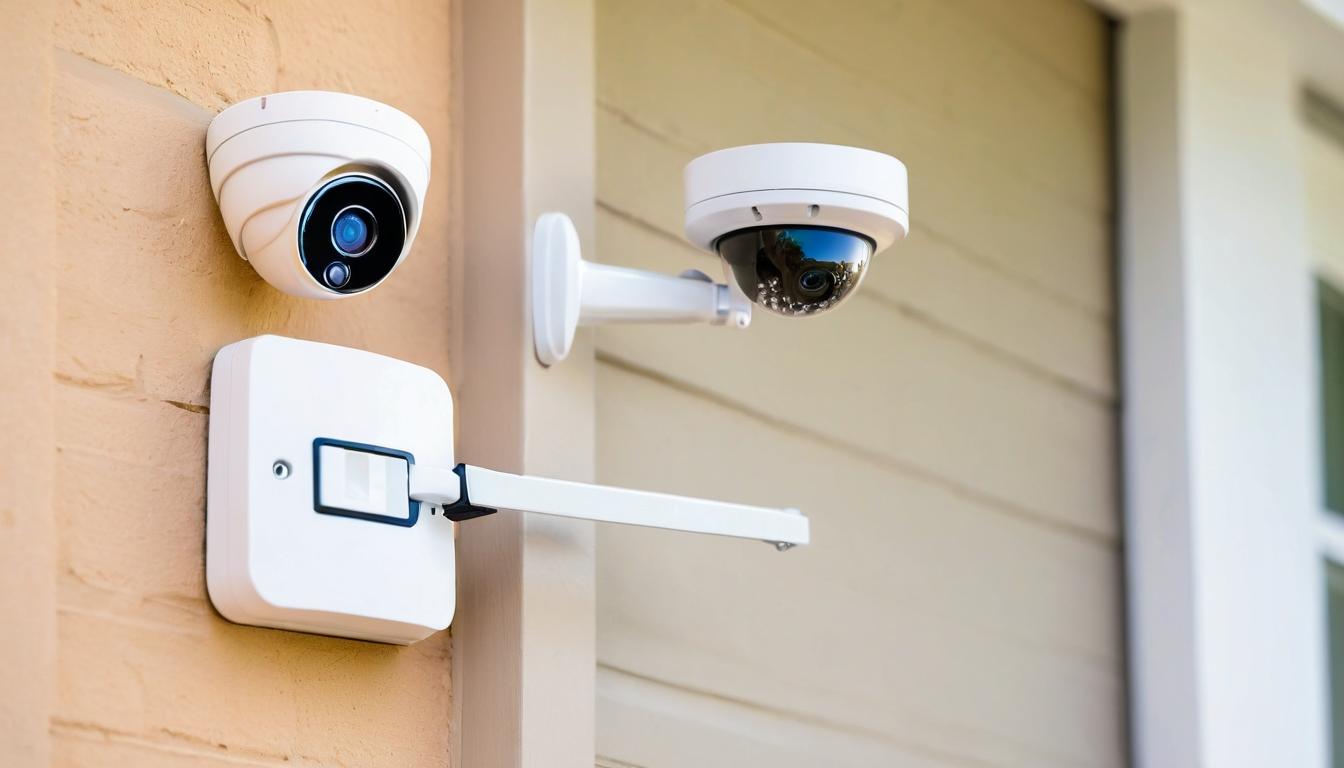
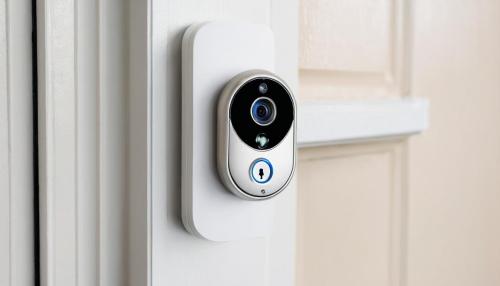
In the quiet suburbs and bustling city apartments, a silent revolution is unfolding. Homeowners are installing smart locks, video doorbells, and motion sensors at unprecedented rates, convinced they're building digital fortresses. But behind the glossy marketing and reassuring app notifications, security experts are uncovering gaps that could leave families exposed. The truth about modern home protection isn't found in product specifications—it's in the shadows between devices, the human behaviors we ignore, and the false sense of security we've collectively purchased.
Walk through any neighborhood today and you'll see the signs: the blue glow of security cameras, the subtle hum of smart devices, the telltale stickers warning of alarm systems. These visible deterrents work remarkably well against opportunistic criminals, but they've created an unexpected problem. We've become so focused on high-tech solutions that we're neglecting the fundamentals that actually stop most break-ins. According to law enforcement data, approximately 30% of burglaries don't require forced entry at all—doors are simply left unlocked, windows slightly ajar, or spare keys hidden under predictable flowerpots.
The psychology of security is perhaps our greatest vulnerability. After installing that expensive system, homeowners often develop what researchers call 'security complacency.' They stop checking doors at night, become less observant of their surroundings, and assume technology will handle everything. This creates a perfect storm: sophisticated systems protecting against complex threats while basic oversights create easy opportunities. The most secure smart lock in the world means nothing when it's installed on a door with weak hinges or a nearby window left unlocked.
Smart home integration presents another layer of complexity few consider. That voice assistant that controls your lights? It could potentially be compromised to learn your routines. The baby monitor with remote viewing? It might have factory-default passwords that are publicly available online. The Wi-Fi router connecting all these devices? Often the weakest link in the entire security chain. Each connected device represents another potential entry point, and most homeowners never consider how these systems interact—or how they might fail together during a power outage or internet disruption.
Neighborhood dynamics have shifted dramatically with the rise of delivery culture and remote work. Packages pile up on doorsteps announcing extended absences. Food delivery drivers come and go at all hours. Service technicians access homes for installations and repairs. Each of these legitimate interactions creates opportunities for observation and testing of security measures. Criminals have adapted, sometimes posing as delivery personnel or conducting 'dry runs' to identify patterns and vulnerabilities before striking.
Perhaps the most concerning development is what security professionals call 'digital reconnaissance.' Social media posts about vacations, geotagged photos showing expensive possessions, public records revealing home layouts—all this information is now easily accessible. A determined intruder can learn more about a home's security weaknesses from a smartphone than from weeks of physical surveillance. Yet most privacy settings remain at defaults, and oversharing has become normalized, creating treasure maps for those with malicious intent.
Children and elderly family members introduce additional considerations often overlooked in security planning. Kids might prop doors open for friends, disable annoying alarm chimes, or share access codes without understanding the consequences. Elderly residents might struggle with complex interfaces, forget to arm systems, or become targets for social engineering at the door. True home security must account for all household members' behaviors and capabilities, not just ideal scenarios.
The financial aspect reveals another uncomfortable truth: security has become stratified. Comprehensive systems with professional monitoring, cellular backups, and regular maintenance are expensive, creating what some experts call a 'security divide.' Renters face additional challenges with installation restrictions and temporary living situations. This economic reality means many households are making compromises that leave them vulnerable, relying on visible but incomplete solutions that create illusions of protection.
Environmental factors represent the wild card in home security planning. Power outages can disable most electronic systems. Extreme weather can create unexpected vulnerabilities—high winds forcing doors open, snow blocking security camera views, or heat waves causing sensors to malfunction. Natural disasters often bring both property damage and increased criminal activity, yet few families have contingency plans for securing homes during these events.
Looking forward, the solution isn't abandoning technology but integrating it intelligently with timeless principles. Layered security—combining physical barriers, electronic systems, human awareness, and community connections—provides the most robust protection. Regular security audits, family drills, and neighborhood watch programs remain remarkably effective. The most secure homes aren't necessarily those with the most gadgets, but those where residents understand their vulnerabilities and have multiple overlapping systems addressing different types of threats.
The uncomfortable reality is that perfect security doesn't exist. Every system has weaknesses, every technology can be defeated, and human error remains the most consistent factor in security failures. The goal shouldn't be creating impenetrable fortresses but developing resilient homes where multiple failures would need to occur simultaneously for a breach to succeed. This requires moving beyond product checklists to holistic thinking about how we live, what we value, and what we're truly trying to protect.
The hidden vulnerabilities in modern home security: what the experts aren't telling you