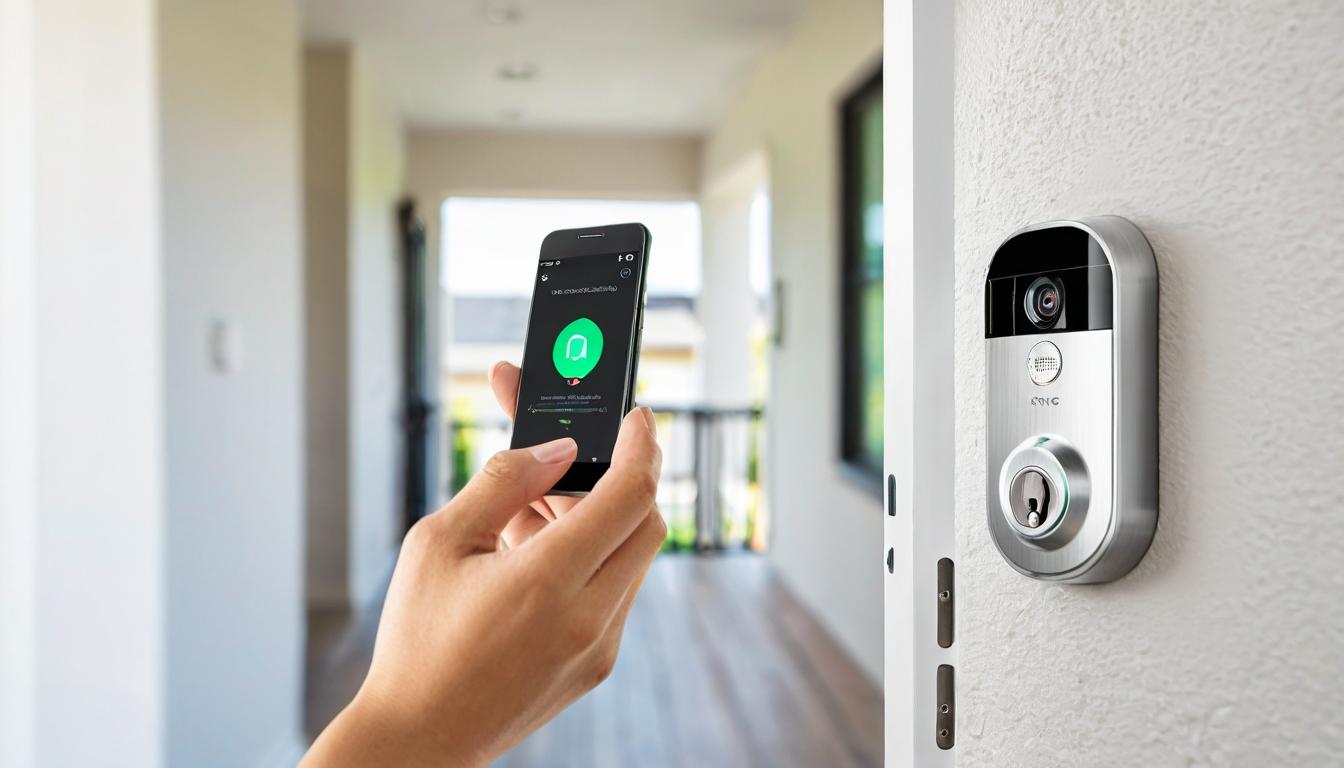
You come home after a long day, and your smart lock recognizes your phone, swinging the door open without a key. Your thermostat has already adjusted to your preferred temperature, and your security cameras send a notification that everything's secure. It feels like living in the future—until you realize that same convenience might be inviting strangers into your digital life.
Smart home devices have exploded in popularity, with everything from doorbells to refrigerators now connected to the internet. But as these gadgets multiply, so do the vulnerabilities. Many consumers don't realize that their Wi-Fi router, often the gateway to their entire network, can be compromised if left unsecured. Default passwords, outdated firmware, and weak encryption turn these devices into open doors for cybercriminals.
Voice assistants like Amazon Alexa and Google Home present another layer of risk. These devices are always listening, waiting for their wake word. While companies insist they only record after activation, security researchers have demonstrated ways to hack these systems, potentially turning them into always-on microphones. The very technology designed to make life easier could be monitoring your private conversations.
Home security cameras, meant to protect your property, can become tools for invasion if not properly secured. There are countless stories of hacked baby monitors and indoor cameras being used to spy on families. The problem often lies in manufacturers prioritizing convenience over security, with weak default settings and inadequate encryption.
Smart locks represent perhaps the most concerning vulnerability. While the convenience of keyless entry is undeniable, these devices can be hacked through Bluetooth vulnerabilities, Wi-Fi weaknesses, or even physical manipulation. Some models have been shown to be susceptible to simple magnet attacks or can be tricked into opening with modified signals.
The Internet of Things (IoT) ecosystem creates a chain of vulnerability—if one device is compromised, it can provide access to your entire network. Many smart devices communicate with each other, meaning a vulnerability in your smart lightbulb could potentially give hackers access to your security system or personal computers.
Children's smart toys and devices deserve special attention. Internet-connected toys with cameras, microphones, and data collection capabilities have raised serious privacy concerns. These devices often have minimal security protections, making them easy targets for those seeking to access children's information or even communicate with them directly.
Smart home hubs, which control multiple devices, represent a single point of failure. If compromised, a hacker could potentially control every connected device in your home—from your lights and thermostat to your security system and locks. The convenience of centralized control becomes a significant liability when security is breached.
Many consumers make the mistake of assuming that because they purchased devices from reputable companies, security is guaranteed. The reality is that even major manufacturers have shipped products with significant security flaws. The rush to market often means security testing takes a backseat to features and release dates.
Regular updates are crucial for maintaining security, but many users ignore update notifications or don't know how to install them. Some older smart devices may no longer receive security patches, leaving permanent vulnerabilities in your home network. This planned obsolescence creates long-term security risks that consumers rarely anticipate.
Your smart TV and streaming devices might be gathering more data than you realize. Many modern televisions track viewing habits, and some have been found to include vulnerable software that could allow unauthorized access to your home network. Even your gaming consoles and smart speakers can become entry points for determined hackers.
The solution isn't to abandon smart technology but to approach it with awareness and caution. Start by changing default passwords immediately after setup. Use strong, unique passwords for each device and enable two-factor authentication wherever possible. Keep firmware updated regularly, and consider setting up a separate network specifically for IoT devices.
Research devices before purchase, looking for those with strong security track records and regular update support. Disable features you don't need, and be cautious about granting unnecessary permissions to apps and devices. Monitor your network for unusual activity, and consider using a network monitoring tool to alert you to potential breaches.
The future of home security lies in balancing convenience with protection. As technology continues to evolve, so must our approach to securing it. The smart home revolution offers incredible benefits, but only if we remain vigilant about the doors we're opening—both physical and digital.
The hidden risks in your smart home and how to secure them