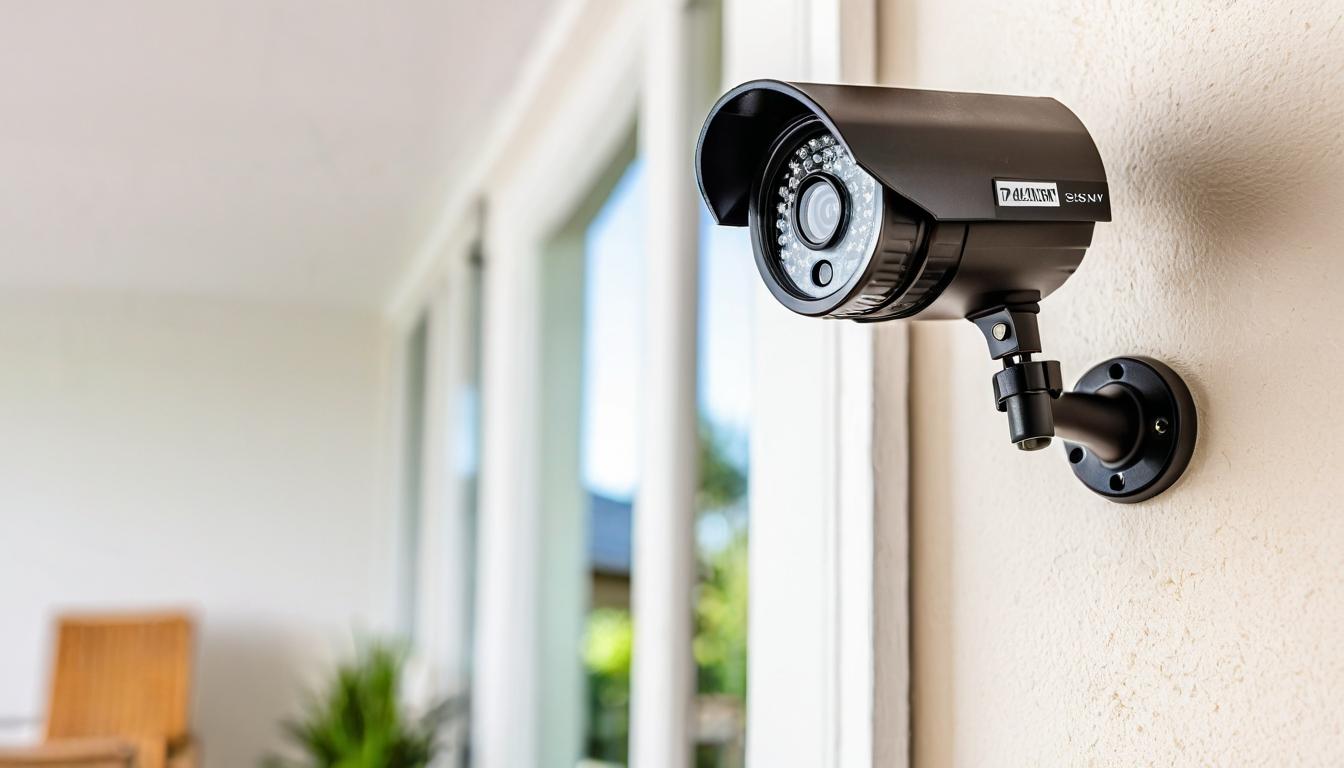
You've installed the smart locks, mounted the cameras, and programmed the alarm system. Your home security checklist appears complete. Yet lurking in the shadows of conventional protection are threats most homeowners never consider—until it's too late. The digital age has rewritten the rules of home security, creating vulnerabilities where we once felt safest.
Consider your smart doorbell. That convenient device that lets you greet delivery drivers from your office desk might be broadcasting more than just porch pirates. Security researchers have documented cases where hackers accessed these devices' microphones and cameras, essentially turning home security tools into surveillance equipment against the very families they were meant to protect. The problem isn't the technology itself, but the default settings and passwords most people never change.
Then there's the digital footprint you leave every time you post vacation photos in real-time or announce your new expensive purchase on social media. This isn't just about privacy—it's a literal roadmap for burglars who monitor social media for empty homes. One study found that 78% of burglars use social media to select targets, with vacation posts being the most valuable intelligence they gather.
Your children's internet-connected toys present another overlooked vulnerability. Those adorable talking dolls and Wi-Fi enabled gaming systems often have minimal security protocols, creating backdoors into your home network. Once inside, hackers can access everything from your financial information to your security camera feeds. The most innocent-looking devices in your home might be the weakest links in your security chain.
Even your landscaping could be working against you. Those beautiful, overgrown shrubs beneath first-floor windows aren't just decorative—they're perfect hiding spots for intruders. The tall privacy fence that makes your backyard feel secluded also blocks neighbors from seeing someone attempting to break in. Security professionals call this 'crime prevention through environmental design,' and it's something most homeowners never consider when planning their gardens.
Don't forget about the inside jobs. That friendly contractor who installed your security system last year still has the access codes. The babysitter you trust implicitly knows which windows don't lock properly. The dog walker has your garage code. We focus so intently on external threats that we often overlook the security risks we willingly invite into our homes.
Then there's the emergency you're least prepared for: the natural disaster that knocks out power for days. Your high-tech security system becomes useless without electricity, leaving your home vulnerable during precisely the time when law enforcement is overwhelmed. Meanwhile, looters know which neighborhoods have the most valuable electronics and which security systems fail first during outages.
Your daily routines create patterns that observant criminals can exploit. That predictable morning gym session, the regular Tuesday night book club, the weekend getaway house that always sits empty from Friday to Sunday—these patterns make you an easy target. The most sophisticated security system can't protect you if criminals know exactly when you won't be home.
Even your trash tells a story. Discarded boxes for expensive electronics advertise your new purchases to anyone walking by. Medication bottles in the recycling bin reveal health vulnerabilities. Old bills with personal information provide identity thieves with everything they need. Your garbage might be the most revealing security breach you never considered.
The solution isn't to abandon technology or live in constant paranoia. It's about developing what security experts call 'layered protection.' Start with the physical—proper lighting, trimmed shrubs, and solid doors. Add the technological—but only after changing default passwords and regularly updating software. Implement the behavioral—varying your routines and being mindful of what you share online. Finally, cultivate the social—getting to know your neighbors so they'll notice when something's wrong.
True home security in the modern age requires looking beyond the obvious threats to understand how our digital lives, daily habits, and even our trash create vulnerabilities. The most dangerous security gaps aren't the ones we see—they're the ones we've learned to ignore because they don't look like traditional threats. In the end, the best security system isn't the one with the most features, but the one that protects against both the threats you expect and those you've never considered.
Beyond the basics: unconventional home security threats you're probably ignoring