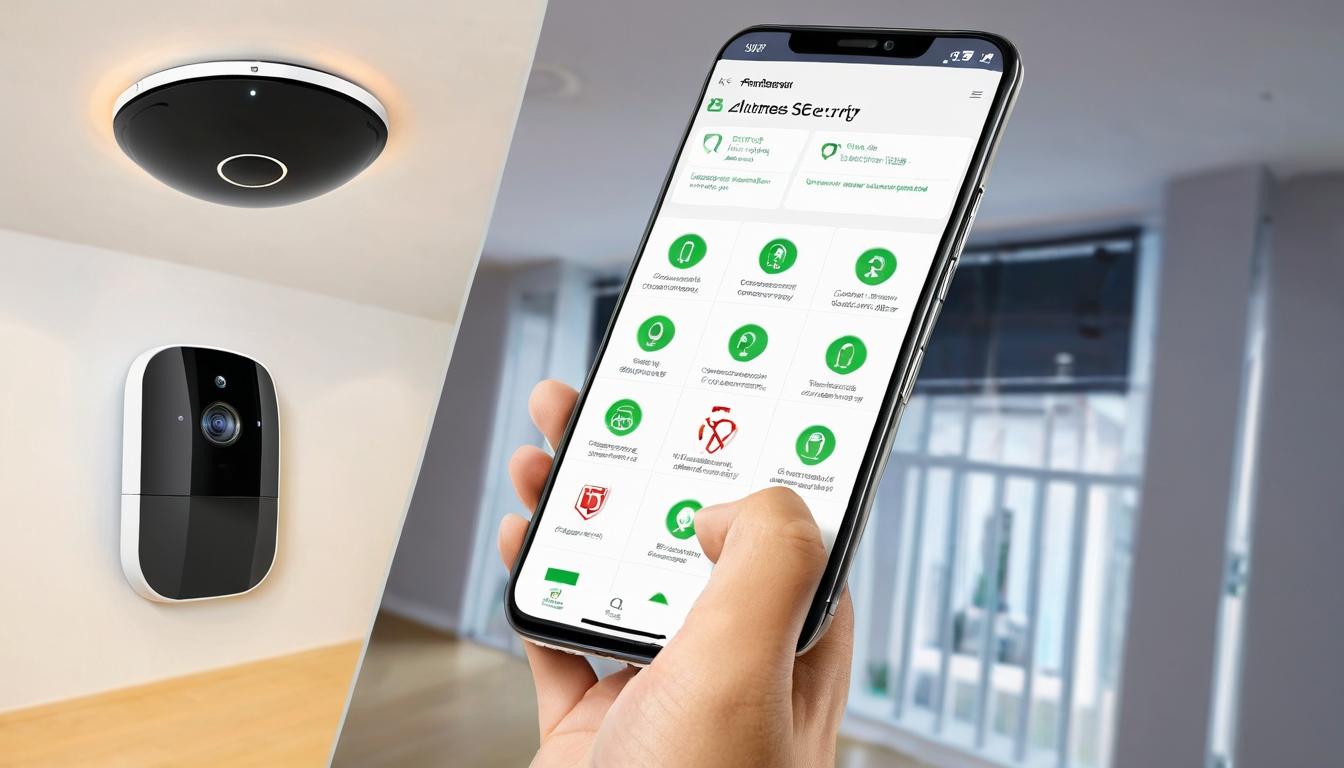
The steady red light on your security panel blinks reassuringly, a digital sentinel promising protection. Yet in homes across America, that comforting glow often masks a dangerous complacency. While families invest in cameras and motion sensors, they're overlooking the vulnerabilities that don't trigger alarms—the silent breaches happening right under their noses.
Consider your smart home ecosystem. That voice assistant you chat with about recipes and weather? It's listening more carefully than you realize. Security researchers have demonstrated how seemingly innocent smart devices can become entry points for digital intruders. The thermostat that learns your schedule, the refrigerator that tracks expiration dates, even the children's educational tablets—each represents a potential backdoor into your private life. These devices rarely receive the same security scrutiny as computers, yet they collect equally sensitive data.
Then there's the physical world beyond your front door. Package theft has evolved from opportunistic crime to organized operations, with thieves following delivery trucks in real-time using scanner apps. Your Amazon box isn't just containing a new blender—it's advertising your presence, your purchasing habits, and your daily routines. Savvy criminals don't need to break windows when they can simply wait for you to bring valuables to your doorstep.
Social engineering represents perhaps the most insidious threat. That friendly utility worker checking meters might be casing your home. The cheerful survey taker at your door could be assessing your security awareness. Even your social media posts about vacation plans serve as invitations to burglars who monitor neighborhoods digitally. We've become so focused on technological defenses that we've forgotten the human element of security.
Environmental dangers lurk where security systems don't look. Carbon monoxide detectors expire, fire extinguishers lose pressure, and radon gas accumulates silently in basements. These invisible threats claim more lives annually than home invasions, yet most security packages ignore them completely. True home protection requires monitoring what you can't see as carefully as what you can.
Neighborhood dynamics have shifted dramatically in the digital age. Nextdoor and Facebook groups create the illusion of community watch, but they often foster paranoia rather than prevention. Meanwhile, actual neighborhood watch programs struggle with participation as people retreat behind their screens. The most effective security system remains other human beings—neighbors who notice unusual activity, who collect packages when you're away, who recognize unfamiliar vehicles.
Financial security represents another overlooked frontier. Shredded documents tell only part of the story. Modern identity thieves harvest information from unsecured Wi-Fi networks, phishing emails disguised as school announcements, and even children's online gaming accounts. Your home network, if improperly secured, can become a gateway to your bank accounts and credit history.
Perhaps most concerning is the false confidence that security systems can create. Families with top-tier alarm packages sometimes neglect basic precautions—leaving ground-floor windows unlocked, hiding spare keys in obvious locations, or posting real-time location data on social media. The psychology of security is complex: we either feel invulnerable or constantly threatened, rarely finding the balanced vigilance that actually prevents harm.
Emergency preparedness completes the security picture. Do you have an evacuation plan that accounts for elderly family members or pets? Are important documents protected against fire and water damage? Could you survive for three days without electricity or running water? These questions rarely appear in security system brochures, yet they determine survival during actual crises.
The future of home security isn't more technology—it's smarter integration of technology with human awareness. It's recognizing that the teenager down the street mowing lawns notices more than any camera. It's understanding that your smart speaker needs security updates just like your computer. It's remembering that the most valuable things in your home aren't replaceable by insurance.
True protection begins when we look beyond the blinking lights and consider what they might be missing. It lives in the spaces between monitored zones, in the habits we don't think to secure, in the conversations we assume are private. The most dangerous vulnerabilities aren't in your walls—they're in your assumptions about what safety looks like.
Beyond the alarm: the hidden security gaps in modern homes